Avoid hidden charges in Brent Cross rubbish removal quotes
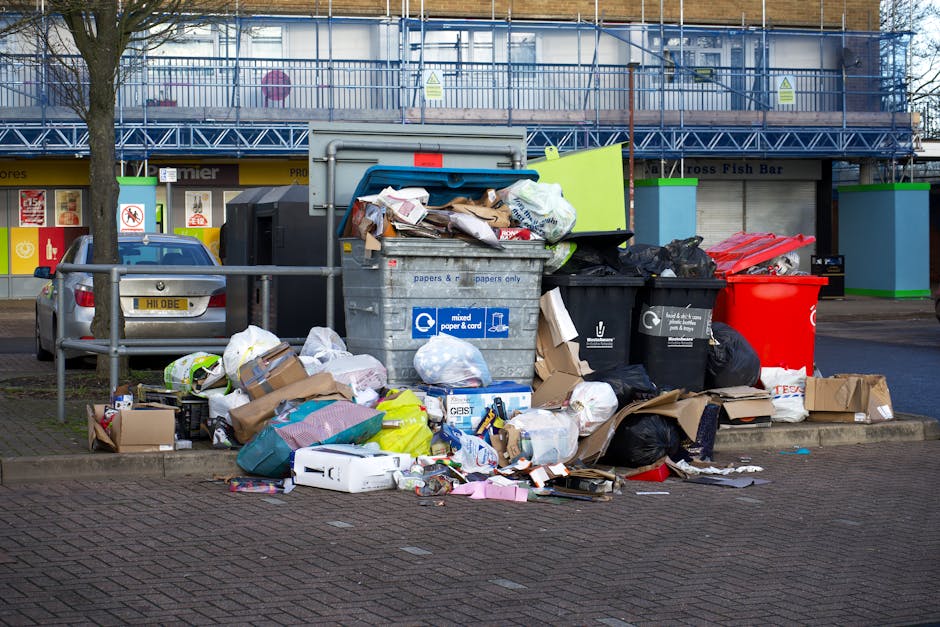
If you have ever asked for a rubbish removal price and then watched the number climb after the team arrived, you already know why hidden charges are such a headache. The good news is that avoid hidden charges in Brent Cross rubbish removal quotes is not a mystery task. It is mostly about asking the right questions, checking the fine print, and knowing what a proper quote should actually include. In a busy local area like Brent Cross, where access can be tight and collections can be quick, clarity matters even more. One vague estimate can turn into a very expensive afternoon.
This guide breaks down how to spot extra fees before they appear, what a fair quote usually covers, and how to compare rubbish removal services without getting caught out. Simple enough on paper. In real life, a bit messier. Let's tidy that up.
Why avoiding hidden charges matters
Hidden fees do more than nudge the bill upwards. They make the whole job feel unfair. And let's face it, nobody likes renegotiating at the kerb while a van sits outside and someone is waiting to load your old sofa. When rubbish removal pricing is unclear, the customer loses control of the decision. That is the real problem.
In Brent Cross, the issue is often not the removal itself, but the details around it: parking restrictions, stair carries, awkward access, mixed waste, heavier-than-expected items, or the difference between a "from" price and the final charge. A quote can look affordable until a disposal fee, labour supplement, congestion-related add-on, or minimum load charge appears. Suddenly the deal is not so tidy.
Clear pricing matters because it helps you compare apples with apples. Without that, one company might seem cheaper when it is really just less honest on paper. Another might cost more upfront but include labour, disposal, and VAT. Which one is better value? Usually the second one. The tricky bit is spotting that before you book.
Expert summary: The best rubbish removal quote is not the lowest number you see first. It is the one that clearly explains what is included, what might change, and what happens if the job turns out slightly bigger than expected.
How rubbish removal quotes work
Most rubbish removal companies build a quote from a few moving parts. Some are obvious, others less so. Once you understand the structure, hidden charges become much easier to spot.
A standard quote may take into account:
- Volume of waste - often measured in cubic yards, load size, or van space.
- Type of waste - general household rubbish, bulky furniture, garden waste, builders' waste, or specialist items.
- Labour - how many people are needed and how long the job should take.
- Access - stairs, narrow hallways, long carries, no parking nearby, or top-floor flats.
- Disposal costs - what the company expects to pay to process or dispose of the waste.
- Special handling - for items like fridges, mattresses, electronics, or anything hazardous.
Here is where people get caught out: some firms quote a base rate first and only mention extra fees after they have already secured the job. Others give a rough estimate but never confirm whether VAT, call-out charges, or congestion-related expenses are included. You end up playing detective. Not ideal.
A trustworthy quote should make it obvious what you are paying for. If the job includes two people lifting from a third-floor flat with no lift, that should be stated early. If there is a fee for appliance disposal, that should not appear as a surprise item later. Fair pricing is transparent pricing. Pretty straightforward, really.
For readers comparing different service types, it can also help to look at broader waste options on the site, such as waste removal services or specialist collections like furniture clearance and builders' waste clearance. The pricing structure can differ quite a bit between them.
Key benefits and practical advantages
Being careful with quotes is not just about saving a few pounds. It gives you control. And when you are clearing a flat, garage, office, or garden, control is worth a lot.
- Better budgeting - you know the likely total before the team arrives.
- Less stress - no awkward back-and-forth about "unexpected" extras.
- Faster decisions - easier to compare providers when the numbers are clear.
- More confidence - you can book without worrying about being overcharged.
- Cleaner job planning - you can prepare access, sort items, and reduce surprises.
There is also a practical side that people overlook. If you understand how the quote is built, you can often lower the cost by separating items properly, moving smaller loads to a better-access point, or removing obvious hazardous materials in advance. Not always possible, of course, but sometimes a little prep makes a noticeable difference.
For many households and small businesses, that is the difference between a smooth collection and a frustrating one. You do not need to become an expert in waste categories overnight. You just need enough clarity to ask sensible questions and trust the answer.
Who this is for and when it makes sense
This approach makes sense for anyone arranging a collection in or around Brent Cross who wants a realistic price, not a teaser number. That includes:
- Homeowners clearing unwanted household junk
- Tenants moving out of a flat and trying not to lose a deposit
- Landlords dealing with end-of-tenancy waste
- Office managers clearing desks, chairs, and paperwork
- Tradespeople needing builder's waste collected quickly
- Anyone with bulky items that are too awkward for normal bin collections
If you are booking a one-off clearance, hidden charges matter even more because you probably are not working with the same company every month. You do not have an existing relationship to lean on, so the quote has to speak for itself. And if you are managing a last-minute collection, there is always a temptation to say yes too quickly. Fair enough. Time pressure does that. But that is exactly when extra fees sneak in.
Some jobs are especially prone to pricing confusion: loft clearances, flat clearances without lift access, garage clearances with mixed waste, and jobs involving furniture disposal. These are not difficult jobs, but they are often quoted too loosely. A good provider will ask follow-up questions. That is usually a good sign, not a nuisance.
Step-by-step guidance
If you want to avoid hidden charges in Brent Cross rubbish removal quotes, use a simple process. No drama, no guesswork.
- List exactly what needs removing. Be specific. "Old stuff from the flat" is too vague. "One sofa, two armchairs, a mattress, four bags of mixed waste, and a broken chest of drawers" is far better.
- Include access details. Mention stairs, lifts, parking distance, narrow entrances, loading bay rules, or time restrictions. A team cannot price access issues properly if they do not know they exist.
- Ask what the quote includes. Labour, disposal, loading time, VAT, fuel, and any minimum charge should all be clear.
- Ask what could change the price. This is a big one. A reputable company should explain the triggers for extra cost before the job starts.
- Get confirmation in writing. An email, booking summary, or online order confirmation is useful if there is any dispute later.
- Check for specialist-item charges. Appliances, mattresses, fridges, and hazardous waste can all have different pricing rules.
- Compare like with like. The cheapest quote is not useful if another provider includes labour and disposal while the first does not.
One small but useful habit: ask, "Is this the final price for the job as described?" That exact wording tends to flush out ambiguity. If the answer is still woolly, well, you probably have your answer.
Also, keep an eye on timing. A same-day collection can be a brilliant convenience, especially near busy routes or around the station area, but urgent bookings sometimes come with tighter terms. If speed matters to you, read the quote even more carefully. The clock makes everyone a little less patient. That's normal.
Expert tips for better results
Here are the little things that help more than people expect.
1. Take photos before you book
Clear photos of the waste, access route, and any awkward items help the company give a more accurate estimate. A couple of well-lit pictures can prevent a lot of "oh, I didn't realise" moments on arrival. If the pile is in a dim corner or a cramped hallway, show that too.
2. Separate obvious special items
If you have items like a fridge, sofa, mattress, or hazardous materials, flag them early. Those categories often have separate handling or disposal requirements. The worst time to mention a fridge is when the team is already carrying one down the stairs.
3. Ask whether the price is load-based or item-based
Some companies price by van load, others by item, others by a mix of the two. None of those models is automatically better. The key is understanding which model you are buying. Load-based pricing can be efficient for mixed rubbish. Item-based pricing can suit a small number of bulky objects. Just know what you are comparing.
4. Check the wording around "from" prices
A "from" price is not a guarantee. It is usually a starting point. That is fine if it is clearly explained, but risky if you assume it is fixed. Read it twice if needed. Better boring than billed extra.
5. Look for evidence of responsible disposal
Good companies are usually willing to explain what happens to the waste after collection. Recycling, reuse, and correct disposal are all part of the service picture. If a provider refuses to explain the process at all, that is not a fantastic sign.
If you are booking a wider property clearance, relevant pages like house clearance, loft clearance, or office clearance may also help you understand how different jobs are usually structured. The job type often affects pricing more than people think.
Common mistakes to avoid
Most hidden charge problems come from the same few mistakes. Luckily, they are avoidable.
- Accepting a quote without asking what is included. A low number is not the same as a complete price.
- Forgetting to mention access issues. Long carries, parking problems, or no lift can affect cost.
- Assuming all waste is treated the same. It rarely is.
- Not checking if VAT is included. This catches people out more often than you might expect.
- Leaving mixed waste unmentioned. Builders' waste, electronics, and household rubbish may be priced differently.
- Choosing only on price. Cheap can be fine. Cheap and vague is where things go sideways.
Another common mistake is not reading the cancellation or rescheduling terms. It is not glamorous, but it matters. If your plans might change, ask about notice periods before confirming. Nobody likes paying for a slot they no longer need, especially when the whole point was saving money in the first place.
Truth be told, the quote is only half the story. The other half is how clearly the company communicates after you ask a question. If they answer directly, good. If they dodge, that tells you plenty.
Tools, resources and recommendations
You do not need fancy software to avoid hidden charges. A few simple tools are enough.
- Phone camera or smartphone photos - useful for showing the waste and access points.
- Basic room or item measurements - especially for large furniture or tight stairwells.
- Written notes - keep a short list of items, access details, and any questions.
- Email or booking confirmation - handy if you need to refer back to the agreed scope.
- Service pages and pricing pages - helpful for comparing whether a company separates its services clearly.
On this website, the most useful supporting pages for quote checking are usually pricing and quotes, payment and security, and insurance and safety. Those pages are worth a look if you want to understand how a provider handles money, risk, and customer reassurance.
If your clearance involves items that need special treatment, related pages such as fridge and appliance removal, hazardous waste disposal, or mattress and sofa disposal can also clarify what to expect. Different waste streams, different rules. A bit annoying, yes, but useful to know.
Law, compliance, standards, or best practice
When rubbish is being removed, the important thing is that it is handled lawfully and safely. In the UK, waste carriers should operate within the relevant legal framework for transporting and disposing of waste, and customers should feel comfortable asking how waste will be dealt with. You do not need to quiz a company like a barrister, but you should expect a clear answer.
Good practice usually includes:
- Clear pricing before the collection begins
- Proper handling of restricted or hazardous items
- Responsible disposal or recycling where appropriate
- Safe lifting and loading methods
- Transparent communication if the job changes on arrival
For domestic and commercial customers, trust is built on small details: whether the quote matches the job, whether the team arrives prepared, whether they explain extra charges before adding them, and whether they treat the property carefully. That is the real standard people care about.
If you want to check a company's own policies, useful supporting pages include health and safety policy, complaints procedure, and terms and conditions. Reading those is not exciting, no. But it can save you from a headache later.
Options, methods, or comparison table
Different quoting methods suit different jobs. Knowing the difference helps you avoid sneaky add-ons.
| Quoting method | How it usually works | Best for | Watch out for |
|---|---|---|---|
| Load-based pricing | Cost depends on how much van space the waste uses | Mixed rubbish, bulky but not item-heavy jobs | Unclear volume estimates and minimum charges |
| Item-based pricing | Each item or item type has a set price | Small, defined collections | Extra items or accessory fees |
| Photo quote | You send pictures for a more tailored estimate | Access-sensitive jobs and mixed waste | Photos that do not show the full scope |
| Site visit estimate | The company reviews the job in person before pricing | Large clearances or complex access | Time cost, scheduling delays, and variation if the job changes |
For a quick domestic job, a photo quote is often enough. For a larger house clearance or office clearance, a more detailed estimate may be safer. The method is not the point, really. The point is whether the quote is specific enough to stop surprise charges from creeping in later.
Case study or real-world example
Here is a simple real-world style example from a typical Brent Cross flat clearance scenario.
A tenant moving out had a small pile of waste: a broken desk, one wardrobe, two bags of general rubbish, and a mattress. The first quote sounded excellent because it was low and quick. But it only covered a basic collection from ground level, with no mention of mattress disposal, loading from a third-floor flat, or parking-related time on site. Once the access details were added, the price changed. Not wildly, but enough to matter.
Instead of taking the first number and hoping for the best, the tenant sent photos, confirmed the floor level, asked whether the mattress had a separate disposal charge, and requested the final total in writing. The revised quote was higher than the teaser, but it was honest. No awkward surprises on the day, no arguing at the doorway, no "just one more fee" nonsense. That is what a good quote should feel like: calm, clear, done.
A similar thing happens with garden clearance jobs. A pile that looks small from the back door can turn out to include dense soil, wet branches, or old planters that weigh far more than expected. If the company prices only by eye without asking questions, the final bill can shift. Better to surface those details early.
Practical checklist
Use this checklist before you accept any rubbish removal quote in Brent Cross.
- Have I listed every item that needs removing?
- Have I explained access, parking, stairs, and lift details?
- Do I know whether the quote includes labour and disposal?
- Have I checked whether VAT is included?
- Have I asked about special items such as fridges, mattresses, or hazardous waste?
- Do I have the quote in writing?
- Have I asked what could cause the price to change?
- Have I compared the price with another provider on the same basis?
- Do the terms and conditions make sense?
- Am I comfortable that this is the final price for the job described?
If you can tick most of those boxes, you are already ahead of the game. Honestly, a lot ahead.
Conclusion
To avoid hidden charges in Brent Cross rubbish removal quotes, you do not need to become suspicious of every provider. You just need to be specific, ask direct questions, and refuse vague pricing. Clear details lead to fairer quotes, fewer surprises, and a smoother collection day. That is true whether you are clearing a flat, garage, office, or a handful of bulky items that have been bothering you for months.
The safest path is simple: describe the job properly, confirm what is included, and get the final agreement in writing. If a company is transparent, great. If not, keep looking. Your time and money are worth protecting, and honestly, peace of mind is worth quite a bit too.
Get a free quote today and see how much you can save.
Frequently Asked Questions
How can I spot hidden charges in a rubbish removal quote?
Look for vague wording, "from" prices, missing VAT information, unclear disposal fees, and charges that only appear after the job starts. Ask exactly what is included before you book.
What should a rubbish removal quote include?
A good quote should explain labour, loading, disposal, access assumptions, and any special-item fees. If something is excluded, it should be stated clearly rather than hinted at.
Are photo quotes accurate enough?
They often are for straightforward jobs, especially if you show the full pile and access route. For larger or more complicated collections, a photo quote should still be confirmed with clear assumptions.
Why do rubbish removal quotes change on the day?
They usually change because the job turns out bigger, heavier, harder to access, or more specialised than described. That is why item lists and photos matter so much.
Is the cheapest quote always the best value?
Not usually. The cheapest quote can be missing labour, disposal, or VAT. A slightly higher quote that is fully inclusive is often better value and far less stressful.
Do I need to mention stairs or no lift access?
Yes. Access details can affect the time and effort needed, which may affect the price. It is better to mention awkward access early than argue about it later.
Can I reduce the cost by sorting my waste first?
Often, yes. Separating items, removing obvious special waste, and making access easier can help a company price the job more accurately. It may not always reduce the fee, but it can prevent avoidable extras.
Are mattress and appliance removals usually charged differently?
They can be. Items like mattresses and appliances often need special handling or disposal arrangements, so many companies price them separately.
Should I get the quote in writing?
Absolutely. Written confirmation gives you something to refer back to if there is any disagreement about what was included or what was agreed.
What if a company adds a charge I was not told about?
Ask them to explain exactly why it was added and compare it with the original quote or booking summary. If the extra charge was not mentioned and does not match the agreed scope, you should challenge it calmly and clearly.
How do I know if a company is being transparent?
Transparent companies answer questions directly, explain their pricing structure, and point out possible extras before they become a problem. If they avoid specifics, that is a warning sign.
Is same-day rubbish removal more likely to have hidden fees?
It can be, mainly because urgent bookings leave less time for comparison and clarification. That does not mean same-day service is bad; it just means the quote needs extra attention.
What is the best question to ask before confirming a booking?
Ask, "Is this the final price for the job as described?" It is a simple question, but it often reveals whether the company is confident and straightforward or a bit slippery.
Where can I check a provider's policies before booking?
Look at their pricing, terms, payment, and safety information first. Those pages usually tell you a lot about how the company handles money, communication, and customer care.