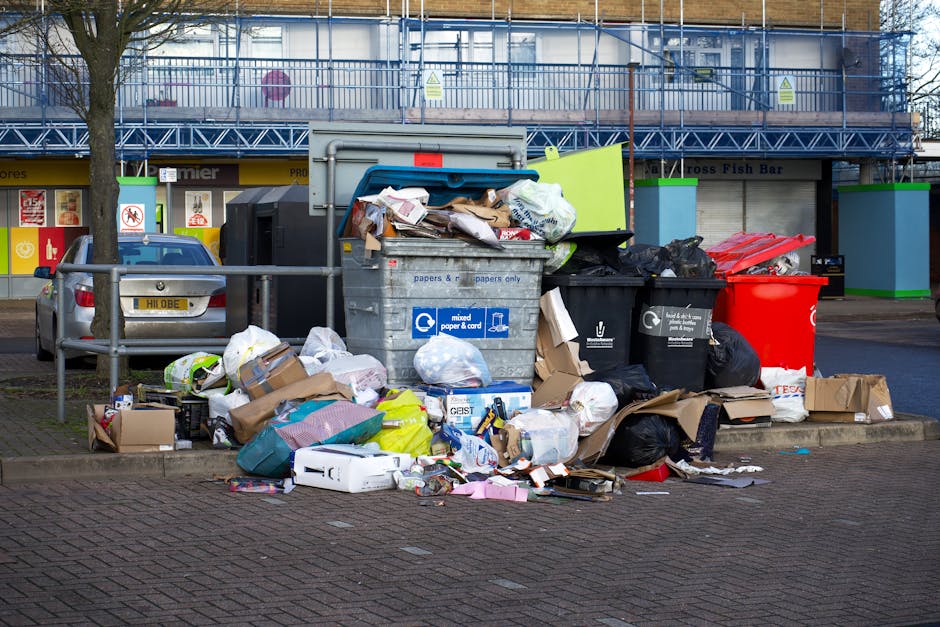
Staples Corner house clearance and rubbish removal tips

If you are clearing a property near Staples Corner, the job can look simple at first and then suddenly feel a bit chaotic. One minute it is a few old chairs and bagged clutter; the next it is a mix of loft bits, bulky furniture, a broken appliance, and things you are not quite sure how to dispose of safely. These Staples Corner house clearance and rubbish removal tips are here to make the process calmer, quicker, and far less wasteful.
Whether you are dealing with a full house clearance, a single-room tidy-up, or a pile of rubbish that has grown over time, the key is to plan the route, separate what can be reused, and avoid last-minute mistakes. That sounds obvious, but in practice it saves time, money, and a lot of back-and-forth. Below you will find a practical guide that covers how the work usually runs, what to watch out for, and how to choose the most sensible disposal method for different kinds of waste.
- Why Staples Corner house clearance and rubbish removal tips matters
- How it works
- Key benefits and practical advantages
- Who this is for and when it makes sense
- Step-by-step guidance
- Expert tips for better results
- Common mistakes to avoid
- Tools, resources and recommendations
- Law, compliance, standards, or best practice
- Options, methods, or comparison table
- Case study or real-world example
- Practical checklist
- Conclusion
- Frequently asked questions
Why Staples Corner house clearance and rubbish removal tips Matters
Staples Corner sits in a busy part of North West London, so clearance work tends to be more practical than picturesque. Parking can be tight, access can be awkward, and you often need to work around flats, terraced streets, shared entrances, or a property that has been lived in hard for years. Good planning matters because rubbish removal is not just about getting items out of the door; it is about doing it safely, legally, and without turning one problem into three.
A rushed clearance can create avoidable issues. You might mix reusable furniture with general waste, miss items that need special handling, or underestimate how much lifting is involved. That is where a clear system helps. If you are sorting a property after a move, a bereavement, a tenancy change, or a long-overdue declutter, a structured approach keeps emotions and logistics a bit more manageable. Truth be told, that matters more than people expect.
There is also a sustainability angle. Reuse, resale, and recycling should usually come before disposal where possible. A thoughtful house clearance often includes separating furniture, appliances, cardboard, textiles, and general rubbish so less ends up in landfill. If you want to keep disposal decisions tidy from the start, it is worth looking at a service page like house clearance alongside broader waste removal options.
How Staples Corner house clearance and rubbish removal tips Works
Most good clear-outs follow a fairly simple sequence. First you identify what needs to go. Then you separate it into categories. Then you decide whether each category should be kept, donated, recycled, sold, or removed as waste. That sounds almost too straightforward, but the discipline of sorting is what stops a clearance from becoming a full-day muddle.
For a house clearance, the process usually begins with a walkthrough of the property. In a typical home, there may be items in the loft, shed, garage, kitchen, bedrooms, and hallway. A good rule is to clear one zone at a time. You will notice this reduces double-handling. Instead of moving the same lamp, box, or chair from room to room, you make one decision and stick to it. Nice and simple. Mostly.
Rubbish removal is slightly different when the waste is already bagged or piled into a single area. In that case, the main issue is identifying what type of waste you have. General household rubbish is different from bulky furniture, and both are different from items that require special handling, such as fridges, freezers, or any potentially hazardous material. If you are unsure, it is safer to check before moving anything into the main pile.
For larger homes or mixed clearances, it can help to compare service types. A lot of readers find it useful to review home clearance, flat clearance, and garage clearance pages to understand which approach suits the property layout best.
Key Benefits and Practical Advantages
Good clearance planning does more than save time. It usually improves the whole outcome of the job. Here are the main benefits people notice in practice:
- Less stress: you know what is staying, what is going, and what needs special handling.
- Faster completion: sorted items are quicker to move and quicker to load.
- Lower risk of damage: hallways, banisters, walls, and doors are easier to protect when the route is planned.
- Better recycling results: separated waste is easier to divert from landfill.
- Cleaner final handover: important when a property is being sold, let, or returned to a landlord.
Another practical advantage is cost control. The more mixed and disorganised the waste, the more time is often spent sorting it on site. With a bit of preparation, you may be able to avoid unnecessary labour and reduce the volume of waste that has to be handled as general rubbish. That is especially useful if you are comparing clearance against other disposal methods and want to keep the job efficient.
If you are dealing with bulky household items, it is sensible to think about specialist handling too. Pages such as mattress and sofa disposal, fridge and appliance removal, and furniture disposal are useful reference points because these items are often awkward, heavy, or subject to separate treatment.
Who This Is For and When It Makes Sense
Staples Corner house clearance and rubbish removal tips are useful for a surprisingly wide group of people. You do not need to be clearing a mansion or dealing with a dramatic mess. Often, the need is much more ordinary.
- Homeowners preparing for a sale or renovation.
- Landlords and letting agents dealing with end-of-tenancy rubbish or abandoned belongings.
- Families clearing a relative's home with care and sensitivity.
- People downsizing from a larger property to a smaller one.
- Tenants who need to leave a flat or house in good order.
- Anyone with bulky waste that does not fit ordinary household collection routines.
This is also relevant if you are working through several spaces at once. A loft, garage, and spare room can quietly accumulate years of "I'll deal with that later" items. We have all got one of those corners. Or two. In those situations, combining a targeted loft clearance with a broader house clearance can make the job much more manageable.
It makes sense when the property is cluttered enough that a normal bin-run will not touch it, but not so complex that it requires a full renovation cleanup. If the job includes a lot of builder debris, then a different route may be better, and builders waste clearance becomes more relevant than a general household service.
Step-by-Step Guidance
Here is a practical way to approach a house clearance near Staples Corner without losing momentum halfway through.
- Walk the property first. Take a quick but honest look at every room, cupboard, loft space, and outside area. Make a note of bulky items, bagged waste, sharp objects, and anything fragile.
- Separate everything into simple groups. Keep, donate, recycle, dispose, and "needs checking". That last pile matters because it catches papers, keys, photos, medication, or valuables you do not want to lose in the rush.
- Identify special waste early. Items like fridges, freezers, mattresses, or anything potentially hazardous should not be left until the end. Confirm the correct route before moving them around.
- Clear access paths. Hallways, stairs, and doorways need to be safe and open before anyone starts lifting. This is where a few minutes of preparation saves a lot of hassle.
- Break down what you can. Flat-pack furniture, bed frames, and shelving often take up less room once disassembled. Keep fixings in a labelled bag if there is any chance they will be reused.
- Load with weight and safety in mind. Heavy items should go in first, lighter and fragile items later. No heroics. Let's face it, the cupboard is not worth a twisted back.
- Do a final sweep. Check drawers, wardrobes, under beds, and behind doors. It is amazing how often one small item is left behind.
If the job includes paperwork or personal records, do not put them straight into mixed waste. For secure disposal, a service such as confidential shredding is a safer way to handle sensitive documents.
And if you are at the stage of booking the removal rather than just planning it, the process is usually easier when you check pricing and quotes and then use book online once you know what needs clearing.
Expert Tips for Better Results
In our experience, the best clearances are not the fastest ones. They are the ones that feel controlled. A few extra minutes spent sorting usually saves a lot of frustration later.
Tip 1: Start with the hardest room. People often begin with the easiest room to build confidence, which is fair enough. But if one room is stuffed with mixed waste or awkward furniture, tackling it early can give the whole project momentum. It is a bit like doing the one annoying errand first. You stop thinking about it.
Tip 2: Keep reusable items visible. A chair with a solid frame, a working table, or a decent chest of drawers may still have value. If you pile it in with general rubbish, you lose the chance to pass it on or repurpose it.
Tip 3: Watch for hidden heavy items. Old books, wet garden waste, and broken storage boxes can weigh more than they look. That matters when lifting from lofts, basements, or narrow staircases.
Tip 4: Protect the route. Put down coverings if the floors are delicate. Open doors properly. Remove tripping hazards. It is not glamorous, but it prevents a lot of damage.
Tip 5: Be realistic about what can go together. General rubbish, furniture, appliances, and garden waste do not always belong in the same pile. If in doubt, check the waste type first. The wrong mix can complicate the whole load.
One more thing. If you are dealing with mixed household items, it can help to review recycling and sustainability guidance so you can separate recyclable streams rather than sending everything out as one lump. Small effort, better outcome.
Common Mistakes to Avoid
Most clearance mistakes are avoidable, which is good news. They usually happen when people underestimate the time, the weight, or the type of waste involved.
- Leaving sorting until the end. If everything is placed in one heap, the final decision-making becomes much slower.
- Assuming every item is simple rubbish. Appliances, mattresses, and certain materials may need separate handling.
- Blocking access routes. This makes the work harder and increases the chance of knocks and scratches.
- Forgetting what is stored in lofts or cupboards. People often miss the hidden spaces and then have to revisit rooms later.
- Not checking weight limits or load size. Overfilling a vehicle or overestimating what can be moved in one go is a common way to create delays.
- Ignoring security and privacy. Old letters, bank paperwork, and hard drives are not ordinary waste.
There is also a softer mistake: trying to do too much in one frantic push. Some jobs really do need a phased approach. A flat clearance, for instance, may need a different rhythm from a house with a garage and loft. If the property is part of a wider move or refurbishment, step back and think about the sequence. It usually becomes obvious once you do.
Tools, Resources and Recommendations
You do not need a garage full of specialist equipment to make a house clearance run well, but a few basic tools help enormously.
- Heavy-duty gloves for grip and protection.
- Strong refuse sacks or boxes for sorting smaller items.
- Labels or marker pens for identifying keep, donate, recycle, and dispose piles.
- Tape and dust sheets for protecting floors and door frames.
- A torch for lofts, cupboards, and under-stairs spaces.
- Trolley or sack barrow where access and space allow.
For different waste types, these internal resources are often useful:
- garage clearance for tools, storage junk, and mixed bulky items.
- garden clearance for soil bags, cuttings, outdoor clutter, and weathered items.
- furniture clearance when sofas, tables, wardrobes, and similar items dominate the job.
- what can go in a skip if you are comparing disposal routes and want to understand what is usually accepted.
If the work involves sensitive handling, safety concerns, or difficult access, it is worth reviewing insurance and safety and health and safety policy information before you commit. That is not over-cautious; it is sensible.
Law, Compliance, Standards, or Best Practice
House clearance and rubbish removal in the UK should always be treated with proper care. You do not need to be a legal expert to do the right thing, but a few principles matter.
First, waste should go to a suitable and authorised destination. In practical terms, that means using a responsible collector and avoiding informal dumping arrangements. If a price sounds implausibly low and nobody can explain where the waste goes, that is a red flag. A proper provider should be transparent about handling, segregation, and disposal routes.
Second, certain items need extra caution. Refrigerators, freezers, electrical appliances, and anything that may contain fluids or chemicals should not be treated as ordinary rubbish. Likewise, materials that might be hazardous should be identified and handled according to the appropriate procedure. If you suspect a risk, check before moving it. That small pause can prevent a bigger problem later.
Third, privacy matters. Old files, labels, and personal records should not be left loose in mixed waste. Secure disposal is part of good practice, especially in homes where paperwork has built up over years.
Finally, a proper provider should be clear about its terms, payment, and complaint process. That is why pages like terms and conditions, payment and security, and complaints procedure are worth reading before you book. Not thrilling reading, granted, but useful.
Options, Methods, or Comparison Table
There is no single right way to clear a property. The best option depends on volume, item type, access, timing, and how much sorting you are willing to do yourself. Here is a straightforward comparison.
| Method | Best for | Strengths | Watch out for |
|---|---|---|---|
| Self-clearance | Small amounts of mixed household rubbish | Flexible, hands-on, low-tech | Time-consuming, lifting risk, disposal logistics |
| Skip hire | Ongoing projects, builders waste, heavier mixed loads | Handy for gradual loading, useful on longer jobs | Space required, permit considerations, restricted item lists |
| Professional clearance | Bulky furniture, full-room or whole-property clear-outs | Fast, coordinated, less lifting for you | Needs good brief, cost depends on volume and access |
| Specialist disposal | Appliances, mattresses, confidential waste, hazardous items | Safer handling of awkward materials | Must match the item type to the right service |
If you are weighing up whether a skip or collection-based clearance makes more sense, it helps to read what can go in a skip first. That one page can save a lot of guessing.
Case Study or Real-World Example
Imagine a three-bedroom house near Staples Corner with a loft, a small rear garden, and a garage full of old household items. Nothing dramatic, just years of accumulation. Boxes in the loft. A sofa no one wants anymore. Two broken bedside tables. A fridge in the garage that stopped working ages ago. A stack of old paperwork in a cupboard. The sort of thing that looks manageable until you actually start.
The best approach here would be to break the job into zones. First, sort the paperwork and any personal items. Then clear the loft because it often contains the most forgotten objects and the lightest-to-heaviest mix. Next, deal with the garage and outdoor waste, where the heavier and dirtier items usually live. Finally, remove the furniture and appliance items once the route is clear.
That sequence matters. If you remove the big furniture first, you may block access to smaller stored items. If you tackle the garden first, wet or muddy waste can be dragged through the home. A slightly boring plan is often the best plan. There, I said it.
In a case like this, the owner could compare a whole-property approach with targeted services such as home clearance, garage clearance, and fridge and appliance removal. That keeps the job practical and avoids forcing awkward items into one generic pile.
Practical Checklist
Use this before the clearance starts. It is quick, and it helps more than you might think.
- Walk through every room and note what needs to go.
- Separate keep, donate, recycle, dispose, and check later items.
- Identify any bulky, heavy, or awkward objects.
- Set aside confidential papers and valuables.
- Check for appliances, mattresses, or other specialist items.
- Clear stairways, doorways, and parking access if possible.
- Protect floors, corners, and surfaces.
- Confirm which service type suits the load.
- Review pricing, terms, and payment details before booking.
- Leave a final sweep for lofts, cupboards, drawers, and under beds.
If you are ready to take the next step, it is worth learning a bit more about the company background too. The about us page can help you understand who is handling the work and how they approach it.
Get a free quote today and see how much you can save.
Conclusion
Staples Corner house clearance and rubbish removal tips are really about reducing friction. The more clearly you sort the job, the easier it is to clear, transport, and dispose of everything without stress. Start by separating items properly, deal with special waste early, protect the route, and choose the right service for the type of load in front of you.
If you keep the process simple and practical, you will usually end up with a cleaner property, less waste, and a lot less hassle on the day. And that, frankly, is the goal. Not perfection. Just a smooth, sensible job that gets done properly.
When the last bag is gone and the rooms finally feel quiet again, it is a good feeling. A proper one. A fresh start is closer than it looked.
Frequently Asked Questions
What is the best way to start a house clearance in Staples Corner?
Start with a full walkthrough and sort items into keep, donate, recycle, dispose, and check later groups. That first pass makes the rest of the job much easier.
How do I know whether I need house clearance or rubbish removal?
If the property contains a wide mix of furniture, stored belongings, and general clutter, house clearance is usually the better fit. If you mainly have bagged waste or a specific pile to remove, rubbish removal may be enough.
Can I mix furniture, appliances, and household rubbish together?
Sometimes, but not always. It depends on the item type and how the waste will be handled. Appliances and certain bulky items often need separate treatment, so it is best to check before combining everything.
What should I do with old paperwork during a clearance?
Put confidential papers aside and arrange secure disposal rather than leaving them in general waste. That protects personal information and keeps the clearance more organised.
Do I need to clear the whole property at once?
No. In fact, many jobs work better in phases. Loft first, then main rooms, then garage or garden areas is a very sensible sequence for a lot of homes.
How do I prepare a property for a clearance team?
Clear access routes, point out any fragile areas, separate anything you want to keep, and flag unusual items such as appliances or potential hazards. A few minutes of prep really helps.
What items usually need special handling?
Fridges, freezers, mattresses, sofas, and anything potentially hazardous are the main examples. These items can require separate collection or disposal methods.
Is it better to use a skip or a clearance service?
It depends on the load. A skip suits ongoing projects and heavier, mixed waste. A clearance service is often better for bulky furniture, full rooms, or properties with awkward access.
How can I reduce the cost of a house clearance?
Sort items in advance, separate reusable pieces, and make access as easy as possible. Good preparation often reduces labour and avoids unnecessary extra handling.
What should I check before booking rubbish removal?
Check the pricing, payment terms, safety approach, and whether the service suits your waste type. If you are unsure, review the service pages carefully before confirming anything.
Can house clearance help with a probate or bereavement property?
Yes, it often can. In those situations, a patient and organised approach is especially important because there may be emotional, practical, and privacy considerations all at once.
Where can I learn more about related clearance services?
You can look at pages such as furniture clearance, loft clearance, and recycling and sustainability to understand how different waste types are usually handled.